Lithium Battery Cell Manufacturing Process: A Comprehensive Step-by-Step Guide
Lithium-ion battery cells are the foundational building blocks of modern energy storage, powering everything from electric vehicles and consumer electronics to utility-scale renewable energy systems. Their manufacturing is a highly precise, multi-stage process that requires strict environmental controls and quality assurance at every step to deliver consistent performance, inherent safety, and long service life. This guide breaks down the complete production workflow, explaining how raw materials are transformed into high-performance battery cells.
Phase 1: Electrode Fabrication – The Core of Battery Performance
The first phase focuses on producing the anode and cathode electrodes, which determine the battery’s capacity and energy density.
-
Slurry Mixing: Raw materials including active materials, conductive agents, binders, and solvents are blended under precisely controlled temperature, vacuum, and stirring conditions. This creates a uniform slurry with exact viscosity and particle size distribution, critical for consistent electrode performance.
-
Coating: The slurry is applied onto thin metal current collectors (copper for anodes, aluminum for cathodes) using high-precision slot-die or scraper coating techniques. The coated sheets are then dried in controlled ovens to remove solvents, forming solid electrode layers.
-
Calendering: The dried electrodes are compressed between heavy rollers to increase material density and reduce internal resistance. This step optimizes energy density while maintaining sufficient porosity for electrolyte absorption.
-
Slitting: The wide electrode sheets are cut into narrow strips with micron-level precision. Proper tension control and sharp blades ensure smooth edges and uniform dimensions, preventing internal short circuits.
-
Tab Forming: Electrical tabs are created by cutting and shaping the edges of the electrode strips, providing the connection points for current flow in the final cell.
Phase 2: Cell Assembly – Building the Battery Structure
This phase assembles the electrodes and separators into a complete cell package.
6. Winding or Stacking: Electrodes and porous separators are assembled into a cell core. Cylindrical cells use high-speed winding, while prismatic and pouch cells typically use stacking. Precise alignment is critical to prevent internal short circuits. 7. Vacuum Drying: The cell cores are baked in vacuum ovens to remove all residual moisture, which would cause harmful chemical reactions and degrade battery performance and safety. 8. Tab Welding: The electrode tabs are welded together using ultrasonic technology, creating strong, low-resistance electrical connections without damaging the delicate electrode materials. 9. Packaging: The cell core is enclosed in its final housing: metal cans for cylindrical and prismatic cells, or flexible aluminum-plastic films for pouch cells. 10. Leak Testing: Cells undergo rigorous leak testing using vacuum or helium detection methods to ensure airtight sealing, preventing electrolyte leakage and moisture ingress.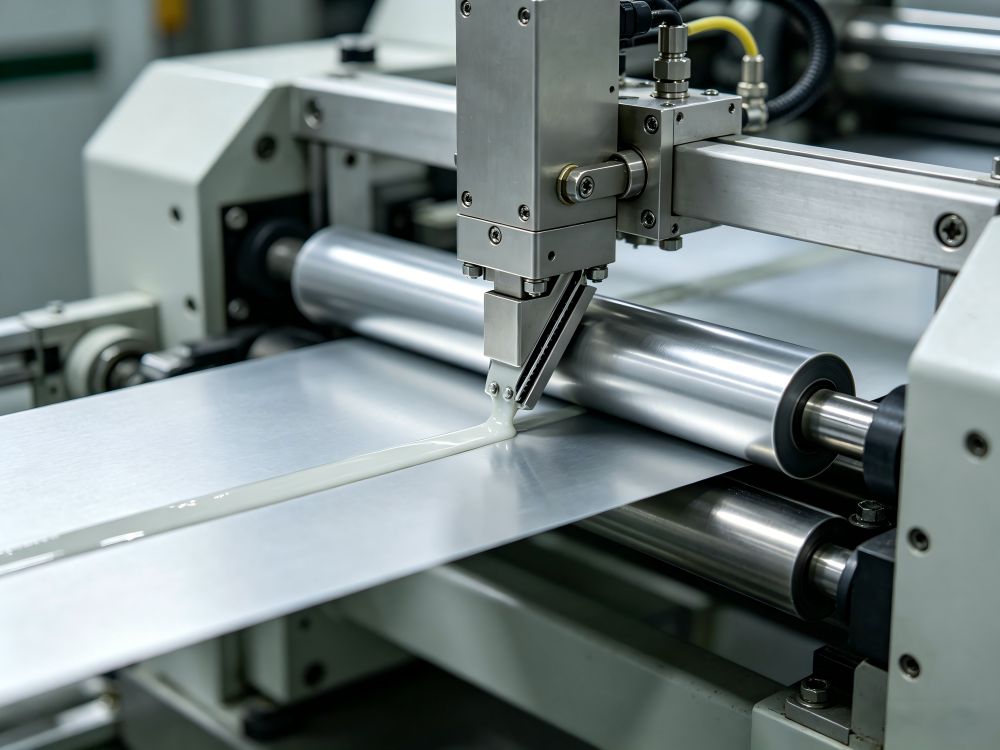
Phase 3: Formation & Aging – Activating and Validating Performance
The final phase activates the battery chemistry and verifies quality before shipment.
11. Electrolyte Filling: A precise amount of electrolyte is injected into the sealed cell, enabling lithium ion transfer between the anode and cathode during charge and discharge. 12. Formation: The cell undergoes its first controlled charge-discharge cycle, which forms the critical Solid Electrolyte Interphase (SEI) layer on the anode. This layer stabilizes the battery chemistry and is essential for long cycle life. 13. Aging & Final Testing: Cells are aged for several days to weeks to stabilize their internal chemistry. They then undergo comprehensive testing including voltage, internal resistance, and capacity measurements to ensure they meet all performance specifications.
The lithium battery manufacturing process is a masterclass in precision engineering, where even minor deviations in any step can significantly impact battery quality. As technology advances, manufacturers are continuously optimizing these processes to improve performance, reduce costs, and scale production to meet the growing global demand for energy storage solutions.
Welcome to contact us:
Inquiry more product details from the : Lithium Ion Battery Manufacturers
WhatsApp/Wechat/Mobile: +86 13332949210
Email: info@xihobattery.com
Website: www.xihobattery.com