
This build was completed for a customer in Portugal, using EVE lithium cells supplied by Shenzhen XIHO Energy Technology Co., Ltd. The pack runs on 88 pieces of 3.7V EVE 58Ah lithium cells, paired with a precision 3D mounting bracket that copies the original LEV50 cell dimensions exactly. Because the structure lines up, the pack drops into iMiEV platform vehicles without complex system changes. As one of the practical options from experienced li ion battery manufacturers, the system balances capacity, safety and cost, with total value kept below $3,000.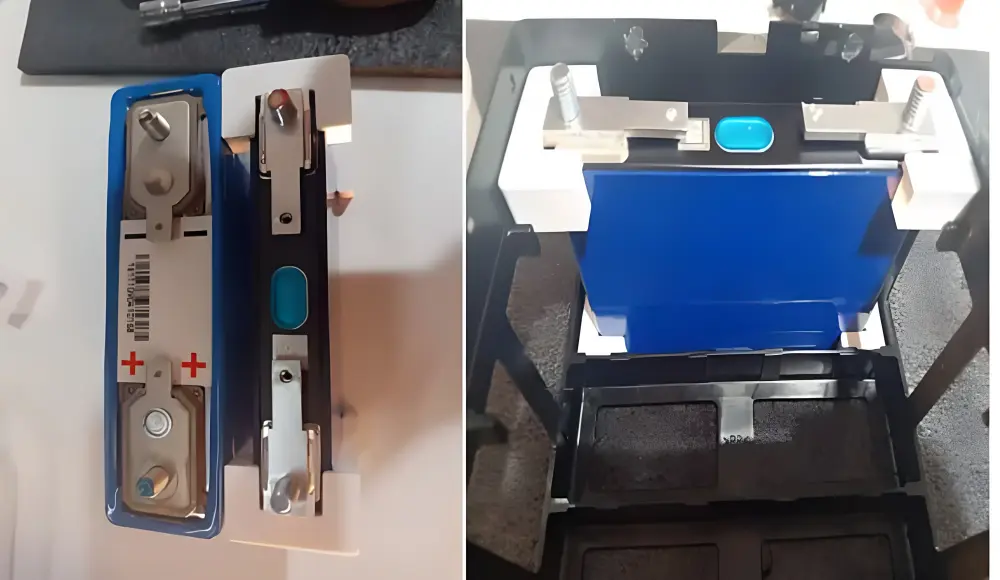
The owner drives a compact EV on the Mitsubishi platform and was dealing with a tired original pack. What he needed was a straight swap that raised capacity, held up in winter and did not drag a pile of engineering work along with it. Cost had to stay sensible too, so a dealer style replacement was out.
The system targets compact EVs built on the Mitsubishi platform, including the Mitsubishi iMiEV, Peugeot iOn and Citroën C Zero. These cars are common daily commuters across Europe, where steady winter range decides whether the car stays useful. The pack is mounted in the original chassis position, so the 18kWh EV battery pack respects the existing space limits while raising usable energy density.
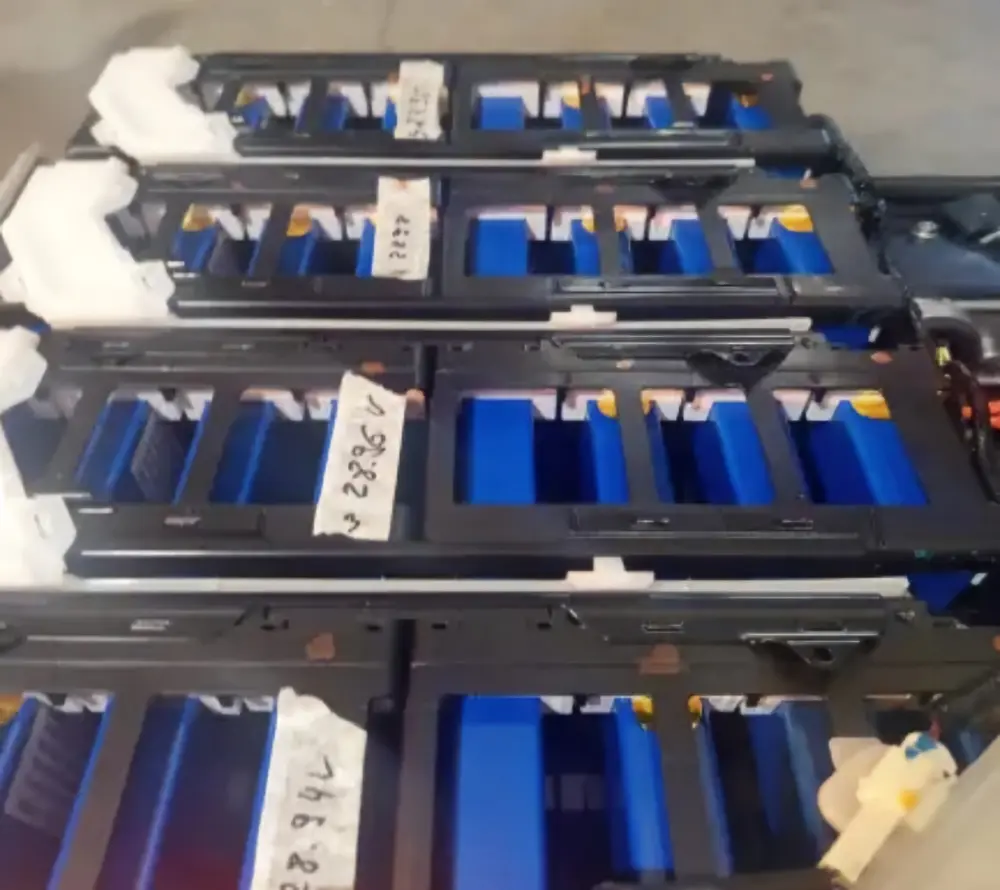
The final build puts 88 pieces of 3.7V EVE 58Ah cells into one unified 18kWh module. Cell positions mirror the original LEV50 layout, which keeps mechanical and electrical compatibility intact. That design is what makes this iMiEV platform battery replacement practical: no costly BMS swap, and install labor held under $500.
The 3D mounting bracket is the piece that makes the fit work. It reproduces the original LEV50 cell dimensions, so the new cells sit where the old ones sat, with no cutting or adapter work. From a production angle, the layout follows the standardized practices used by leading li ion battery manufacturers, which keeps the build repeatable. Using EVE 58Ah cells also lifts cycle life and keeps cell to cell consistency tight across the pack.
Testing happened on real roads, not a bench. At ambient temperatures near 0°C with cabin heating off, the car covered 125 to 130 km. With low level heating on, range settled around 100 km. For a small urban EV in a European winter, those figures keep the car usable on daily routes.
The original BMS needed no reprogramming at all. That single fact removed most of the risk and cost from the project. Owner reported running costs stayed under $0.03 per km, which makes the economics easy to defend. These results are also why many lithium battery cell suppliers point to similar configurations for urban EV upgrades.
The owner was very happy with how it turned out. He called out smooth installation, predictable performance and solid winter range. Overall acceptance came in at 99.5 percent, a level that lines up with benchmarks from top tier li ion battery manufacturers. For him, the car went from a short range compromise back to a dependable daily driver.
European cities hold a large stock of iMiEV, iOn and C Zero cars with packs that are aging out. A custom EV battery pack like this gives owners a sane alternative to scrapping a working car or paying dealer prices. It also shows that 88 EVE 58Ah cells can carry OEM level fit in the EV retrofit battery solution market, at a fraction of the cost of a new vehicle.
This project proves that 88 pieces of 3.7V EVE 58Ah cells can deliver OEM level fit and dependable winter range at a competitive cost. The LEV50 replacement approach keeps the original BMS, the original chassis space and the original driving routine, while adding real capacity.
If you are looking for proven EV battery upgrade solutions from experienced li ion battery manufacturers, contact XIHO today to start your own build.
Ready to power your energy systems with the best in the industry?
Contact us today to get the latest pricing and discuss your needs with our team!
