Complete Guide to NMC Lithium-Ion Batteries: Chemistry, Types & Real-World Use Cases
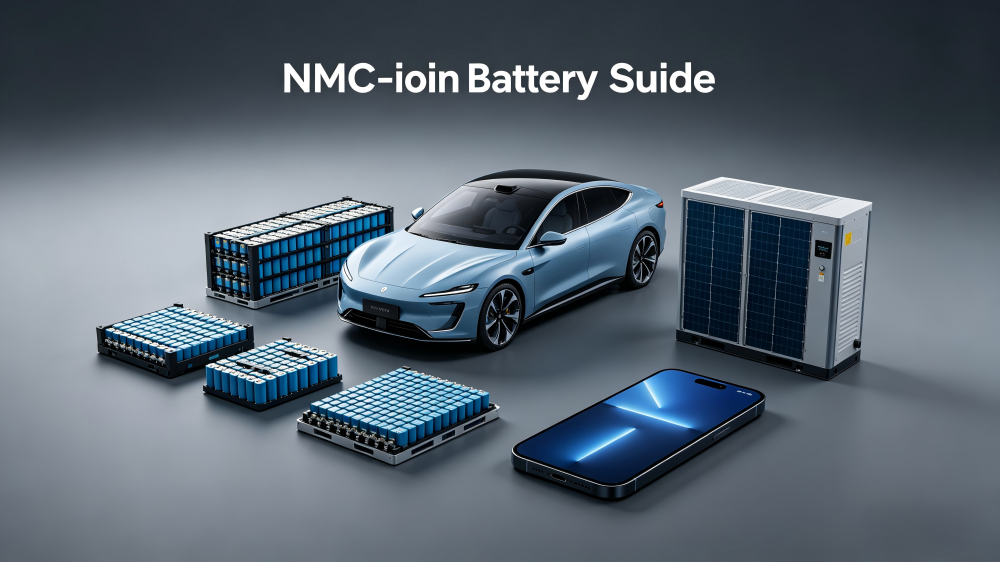
NMC (Nickel Manganese Cobalt) lithium-ion batteries are globally renowned for their industry-leading energy density and consistent performance, making them a top-tier power solution across diverse sectors. From electric vehicles (EVs) and portable electronics to stationary energy storage systems, NMC technology underpins critical modern power applications. This guide breaks down their core chemistry, working principles, variants, and key comparisons to help you select the optimal battery for your needs.
Core Chemistry & Key Components
At their core, NMC batteries leverage the combined strengths of three cathode materials: nickel delivers high specific energy for greater capacity, manganese enhances thermal stability, and cobalt minimizes cathode corrosion to boost cycle consistency. Their defining advantage is packing large energy into a compact, lightweight form factor, though industry efforts are reducing cobalt content to address associated ethical and environmental concerns. Core components include: a cathode with variable nickel-manganese-cobalt ratios, a graphite anode for lithium-ion storage and release, and a lithium salt electrolyte enabling ion transfer during charge and discharge cycles.
How NMC Batteries Operate
NMC batteries function via reversible lithium-ion transfer between the cathode and anode, enabled by the electrolyte and external electron flow. During charging, lithium ions migrate from the cathode to the anode through the electrolyte, while electrons travel via the external circuit, with the anode accepting lithium ions to form lithiated graphite. During discharge, the process fully reverses: ions flow back to the cathode, and the released electron flow powers connected devices, delivering consistent voltage output throughout the cycle.
Common NMC Variants & Target Applications
NMC batteries are categorized by their cathode material ratios, each tailored to specific use cases:
-
NMC 111: Equal parts nickel, manganese, cobalt, balanced energy density and cost, ideal for mainstream EVs and consumer electronics.
-
NMC 532: Higher nickel content for boosted energy density, suited for grid storage and high-performance EVs.
-
NMC 622: Optimized cobalt for improved thermal stability, used in stationary storage and passenger EVs.
-
NMC 811: Nickel-dominant, minimal cobalt, maximum energy density, designed for large-scale storage and mass-market EVs.
Advantages, Limitations & NMC vs LFP Comparison
NMC’s core benefits include exceptional high energy density, fast charging, reliable cycle life for compact applications, and stable performance under moderate conditions. Key limitations include higher upfront costs from cobalt content, ethical/environmental risks linked to cobalt mining, and reduced stability at extreme high temperatures. Compared to LFP (Lithium Iron Phosphate) batteries, NMC offers higher specific energy for compact designs, while LFP delivers 3000+ cycles (vs ~800 for standard NMC), superior thermal safety, lower costs, and a cobalt-free eco-friendly composition. NMC excels in space-constrained applications, while LFP dominates grid storage and heavy-duty stationary systems.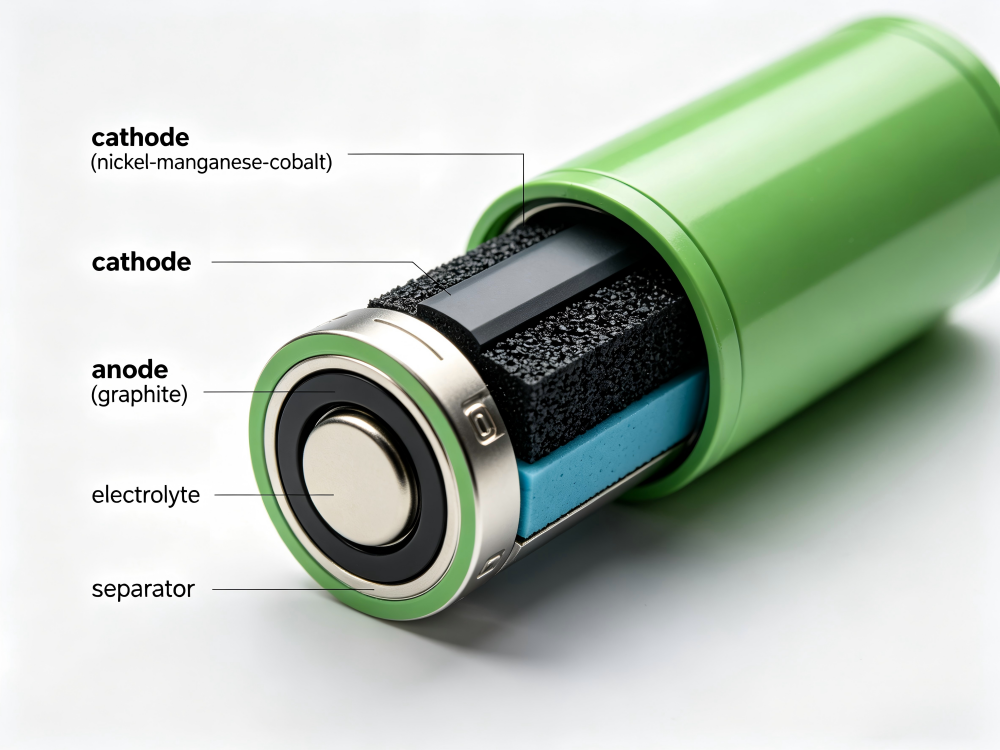
Final Takeaway
NMC lithium-ion batteries remain an indispensable solution for industries requiring compact, high-energy-density power storage. While they deliver unmatched performance for space-constrained use cases, critical factors including total cost of ownership, lifespan, and environmental impact must be weighed against alternatives like LFP. The industry’s ongoing shift to low-cobalt NMC variants underscores a push to balance high performance with sustainable, ethical manufacturing.
Welcome to contact us:
Inquiry more product details from the : Lithium Ion Battery Manufacturers
WhatsApp/Wechat/Mobile: +86 13332949210
Email: info@xihobattery.com
Website: www.xihobattery.com