By XH-Alan | 17 March 2026 | 235 Views
Tesla’s 4680 Battery Reaches Full Production Maturity: Full Dry Electrode Breakthrough Redefines EV
First unveiled at Tesla’s 2020 Battery Day, the 4680 large-format cylindrical cell (46mm diameter, 80mm height) was designed as the cornerstone of the automaker’s cost-reduction EV roadmap. Compared to the legacy 2170 cell, it delivers 5x higher energy capacity, 16% longer range, and 6x greater power output, with its 46mm diameter optimized to balance range and mass manufacturing scalability. After years of process bottlenecks, Tesla’s Giga Texas achieved a landmark Q4 2025 breakthrough: mass production of fully dry electrodes for both cathode and anode, marking the 4680’s arrival at its complete, production-ready form.
Four Core Technologies Underpinning the Mature 4680 Ecosystem
The production-grade 4680 platform is built on four integrated innovations, not a single isolated upgrade:
- High-Nickel Cathode & Silicon Anode: Chemistry optimization boosts energy density; high-nickel cathodes cut reliance on costly, ethically complex cobalt to reduce expenses, while silicon anodes deliver far higher theoretical capacity than traditional graphite, packing more energy in the same physical footprint.
- All-Tab (Tabless) Design: Replacing the 2170 cell’s single tab with a full foil edge connection shortens electron travel paths from the full winding length to just the cell’s axial height, drastically cutting internal resistance, reducing heat buildup, and enabling ultra-fast charging and high-current discharge without thermal degradation.
- Cell-to-Chassis (CTC) Integration: Eliminating traditional module and pack-level structural components, this design integrates 4680 cells directly into the vehicle chassis as a load-bearing element, reducing curb weight, cutting production costs, and maximizing system-level energy density.
- Full Dry Electrode Coating: The game-changing core breakthrough, acquired via Tesla’s 2019 Maxwell Technologies purchase. Early 4680 iterations used a hybrid dry anode/wet cathode design due to uniform dry cathode coating challenges; full dry processing for both electrodes eliminates legacy wet manufacturing constraints, doubling efficiency gains.
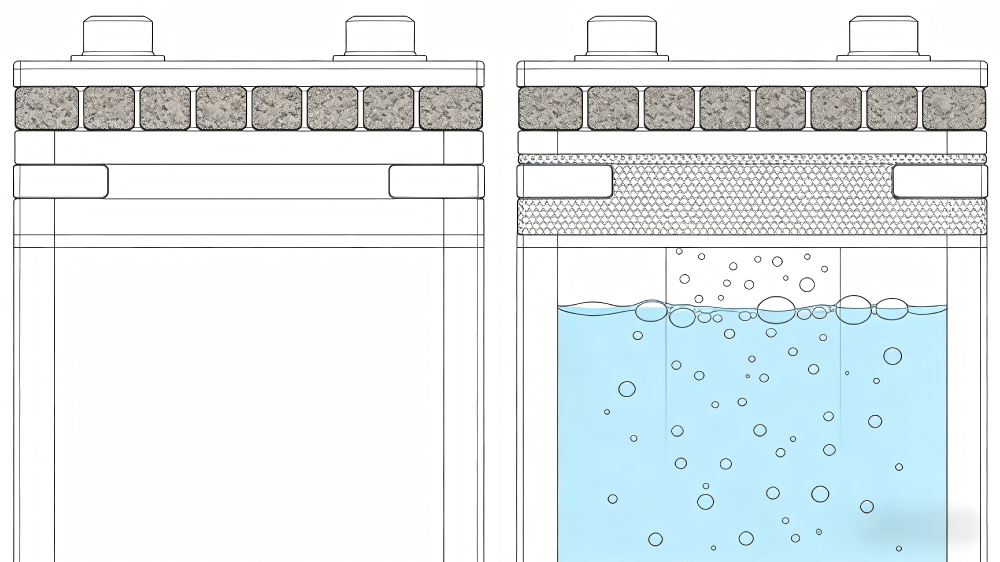
Dry vs. Wet Coating: Eliminating Legacy Manufacturing Flaws
For decades, the lithium-ion industry relied on wet electrode coating, a process plagued by four critical structural flaws: it consumes 30-50% of a battery factory’s total energy via solvent drying ovens, uses toxic NMP solvent with environmental and occupational health risks, damages high-nickel cathode microstructures via high-temperature drying, and requires 5-10% non-active binders that sacrifice energy density. Tesla’s full dry process eliminates solvents, slurry mixing, drying ovens, and solvent recovery systems entirely. It mixes active electrode powder directly with PTFE binder, then calenders the mixture onto current collectors, cutting energy use, factory footprint, and material waste, while enabling thicker, higher-density electrode coatings optimized for the 4680 format.
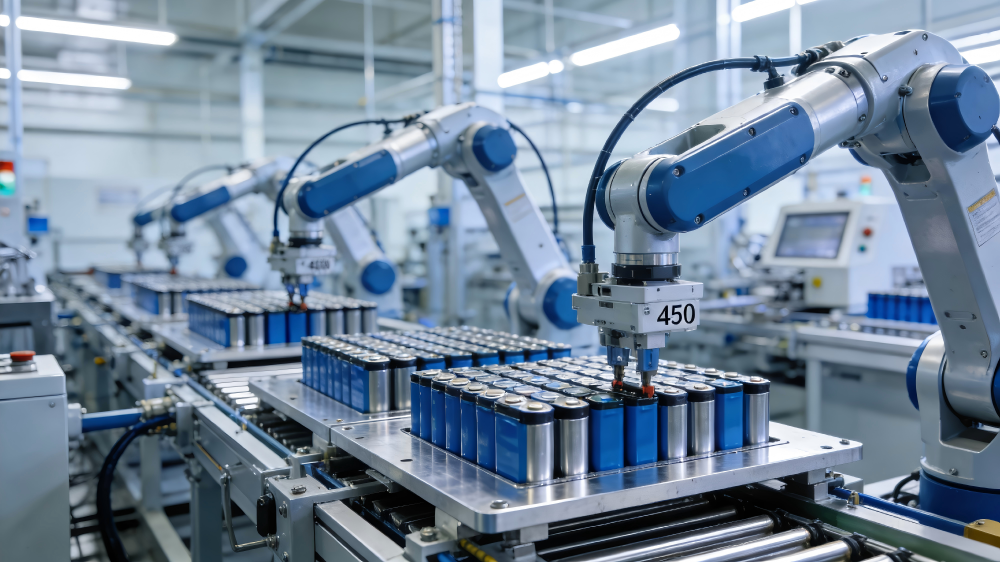
Performance & Industry Impact of Tesla’s Full Dry Breakthrough
Tesla’s patented dry process solves the core solvent-free manufacturing paradox: fusing active materials without liquid binders. The electrode film uses 90-99% active material and less than 3% PTFE binder, reclaiming valuable space for energy storage compared to wet processes. Low-shear mixing protects fragile single-crystal cathode particles, while PTFE fibrillation creates a microscopic network to hold active materials, with just 2-3 calendering passes to form a self-supporting film. Testing shows cells retain nearly 90% capacity after 2000 full depth-of-discharge cycles, outperforming wet-process equivalents. The elastic PTFE binder also accommodates silicon anode expansion during charging, while stabilizing high-nickel cathodes for improved safety. This shift from hybrid to full dry production is a manufacturing paradigm shift, creating a high barrier to competitor replication. By eliminating the costliest, most energy-intensive, and toxic elements of battery production, Tesla has lowered the floor for EV manufacturing costs, while creating a greener, more scalable production model for the global EV and energy storage industries.
Welcome to contact us:
Inquiry more product details from the : Lithium Ion Battery Manufacturers
WhatsApp/Wechat/Mobile: +86 13332949210
Email: info@xihobattery.com
Website: www.xihobattery.com
Welcome to contact us:
Inquiry more product details from the : Lithium Ion Battery Manufacturers
WhatsApp/Wechat/Mobile: +86 13332949210
Email: info@xihobattery.com
Website: www.xihobattery.com
Full Mass Production of 500Ah+ LFP Cells: China Leads Global GW-Scale Energy Storage Paradigm Shift
Moonwatt Commissions Europe’s First NFPP Sodium-Ion Storage System, Unlocking Commercial Sodium Scal
Leave a Reply
Your email address will not be published.Required fields are marked. *